
Cherry season is the most intense, fast-paced, and thrilling time of year at Green Field Farms.
In a narrow eight-week window from mid-June through early August, our crews work from before dawn until after dark, harvesting seven distinct cherry varieties across our Yakima Valley orchards. Every cherry is hand-picked, carefully placed in lugs to prevent bruising, and rushed to our packing facility where hydrocooling drops the fruit temperature from field heat to near-freezing in minutes.
Our dedicated Yakima cherry office orchestrates the entire operation — monitoring bloom-time frost protection, coordinating harvest timing by variety and block, and managing logistics so that cherries reach your shelves within 48 hours of being picked. Speed is everything, and nobody does it faster.
From tree to truck in under two hours. Here's how we maintain the cold chain that makes our cherries legendary.
Harvesting begins before sunrise while temperatures are lowest. Cherries picked cool stay firm and resist bruising better than those picked in midday heat.
Lugs are submerged in near-freezing water within minutes of leaving the field. This rapid heat removal halts respiration and locks in firmness, sweetness, and bright color.
High-speed cameras inspect every cherry for color, size, firmness, and surface defects — sorting up to 20 pieces per second with pinpoint accuracy.
Packed into insulated containers with gel packs and temperature loggers. Refrigerated trucks deliver to distribution centers nationwide, never breaking the cold chain.
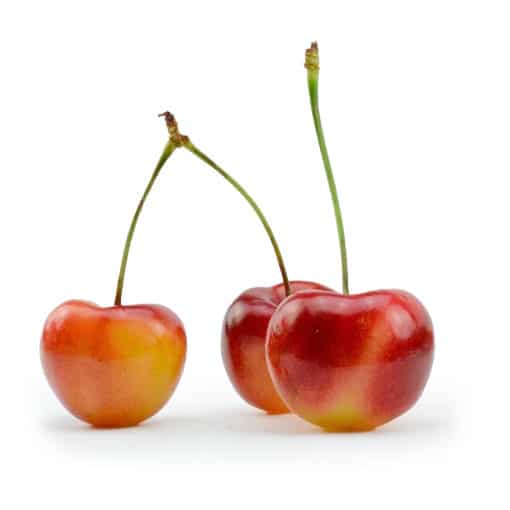
With their golden-yellow skin blushed pink and incredibly sweet, delicate flesh, Rainier cherries are the most sought-after cherry variety in the world. They command a premium price for good reason — they're harder to grow, more susceptible to rain damage, and require meticulous handling at every stage.
We allocate our best orchard blocks to Rainier production, using protective canopy systems and hand-selecting only the most perfect fruit. The result is a cherry that delivers an almost honeyed sweetness with a subtlety of flavor that no other variety can match.
From the first early Chelan to the late-season Kordia, each variety brings something different.
Select a variety above to explore its flavor profile, best uses, and season.
Deep mahogany red, firm, and bursting with rich, sweet juice. Bing is the standard by which all other dark cherries are judged. Excellent for fresh eating, baking, and freezing.
Golden yellow with a pink blush, exceptionally sweet with a delicate, almost honeyed flavor. Thin skin requires careful handling. The ultimate premium eating cherry.
A dark, firm cherry that ripens 10 to 12 days before Bing. Our first harvest of the year signals the start of cherry season. Mildly sweet with good acid balance and excellent shipping qualities.
Large, very firm dark cherry with excellent sweetness that develops deeper flavor late in the season. Resists cracking in late-summer rains better than most varieties — reliably high quality when others struggle.
Heart-shaped with bright, glossy red skin and moderately firm flesh. A late-midseason variety with a mild, sweet flavor and outstanding visual appeal — perfect for retail displays and gift packs.
One of the largest cherry varieties available, with dark mahogany skin and exceptionally firm, crunchy flesh. Very sweet with good complexity. A reliable heavy producer that extends the late season.
An older European variety prized for its extremely firm texture, dark glossy finish, and excellent sweet-tart balance. Popular in export markets where firmness and shelf life are paramount.
Cherries are surprisingly versatile in both sweet and savory applications.

The beloved French batter cake studded with whole dark cherries. Bing or Lapins work beautifully — their juice bleeds into the custard creating a stunning purple swirl.
View Recipe
Fresh Sweetheart cherries diced with jalapeño, red onion, cilantro, and lime juice. An unexpected, vibrant summer salsa that pairs brilliantly with grilled pork or fish tacos.
View Recipe
Remove stems, pit, and freeze Bing cherries in a single layer on a sheet pan. Bag them up for instant smoothie additions that rival any frozen berry in flavor and nutrition.
View RecipeCherries are highly perishable. Follow these rules and you'll get a full two weeks of perfect fruit.
Unlike pears or peaches, cherries do not ripen further after picking. Put them straight in the fridge — ideally at 32–34°F. Every hour at room temperature reduces their shelf life by a day.
Moisture on the surface accelerates mold and decay. Keep them dry in the fridge, and only rinse under cold water right before eating. A damp paper towel in the bag can actually cause more harm than good.
One bruised or split cherry will cause nearby cherries to rot quickly. When you get home, spend two minutes flipping through and removing any damaged fruit. Store in a loosely closed bag or ventilated container.
For best results, freeze whole cherries with stems attached on a parchment-lined sheet pan. Once frozen solid, transfer to a freezer bag. The stems make them easier to handle and help prevent moisture loss.